
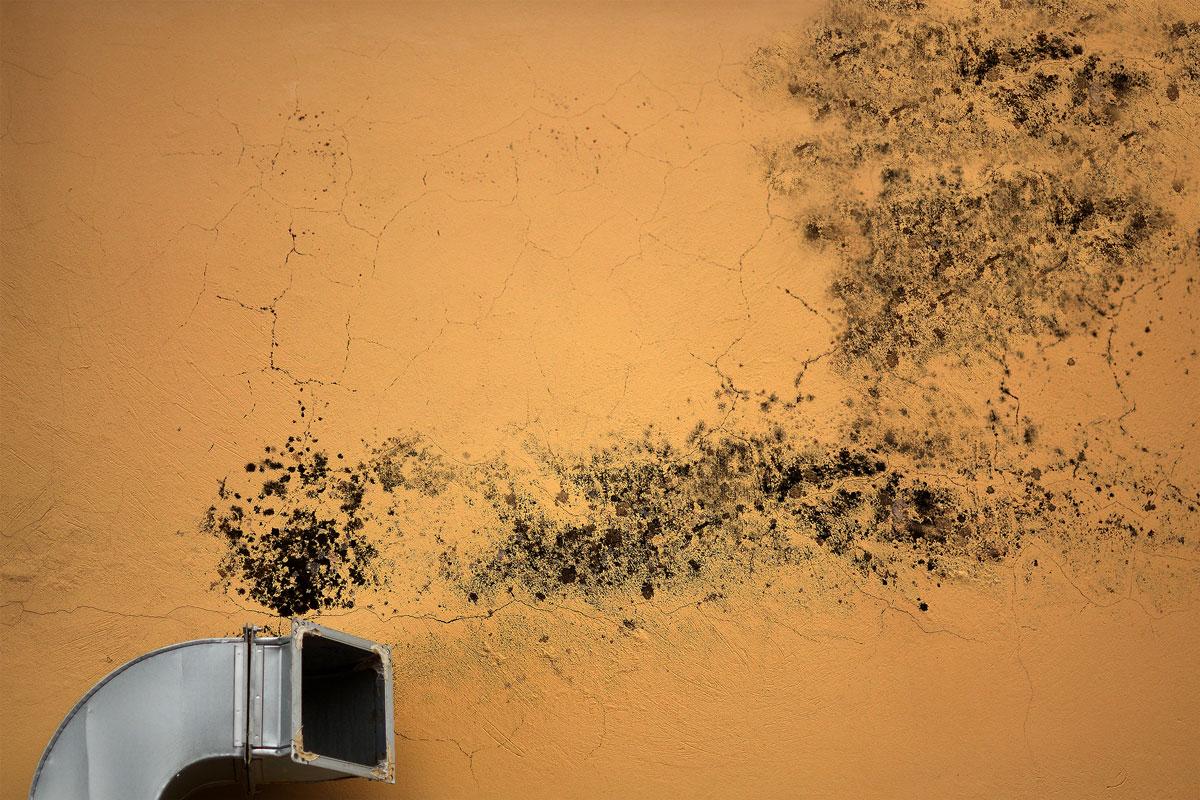
Air duct mold remediation is the process of identifying, containing, and completely removing mold growth from inside your HVAC ductwork and related components. It is not a surface wipe-down or a quick spray of disinfectant. Done properly, it involves a systematic approach that addresses the source of contamination so mold does not simply return a few weeks later. If you have been noticing musty odors, unexplained allergy symptoms, or visible dark spots around your vents, this post should give you a clearer picture of what a thorough remediation actually looks like and why cutting corners on this particular service can cause real problems down the line.
Why Mold Grows in Ductwork in the First Place
The inside of an air duct system is, in many ways, an ideal environment for mold. Ductwork runs through walls, attics, and crawl spaces where temperatures fluctuate and condensation can collect. Every time warm, humid air passes through a cooler section of duct, moisture can accumulate on interior surfaces. Add a little organic debris, some dust, and poor airflow, and you have exactly the conditions mold needs to establish itself.
In a humid climate like the Gulf Coast region, this is not a rare or unusual problem. Homeowners and businesses in Slidell, Covington, Mandeville, and Gulfport deal with high ambient humidity for much of the year, and that moisture finds its way into HVAC systems regularly. The same is true across the broader service areas we cover throughout Mississippi, Alabama, Louisiana, and surrounding areas. Heat and humidity simply raise the stakes.
What a Proper Remediation Process Involves
Inspection and Assessment
The first step is a thorough inspection. Our team, which includes a Certified Indoor Environmentalist (CIE) and a Certified Mold Remediator (CRM), assesses the extent of mold growth before any cleaning equipment comes out. This matters because the scope of contamination determines the approach. A small localized growth is handled differently than a system-wide problem that has spread through multiple duct runs or reached the air handler coils.
Containment and Source Removal
Once we understand what we are dealing with, containment comes next. This means preventing mold spores from spreading to unaffected areas of the home or building during the cleaning process. We use source-removal techniques rather than simply pushing debris further into the system, which is a critical distinction. Our push-pull cleaning systems create negative pressure inside the ductwork, drawing contaminants out rather than redistributing them into your living or working space.
EPA-Approved Disinfection and Encapsulation
After mechanical cleaning, affected surfaces are treated with EPA-approved and registered disinfectants and anti-microbial encapsulates. We use products that are proven effective against mold at the microbial level, not general-purpose sprays. In cases where duct surfaces need sealing, we apply Foster’s Sealer, one of the most highly regarded products in the industry for this purpose. It locks down any remaining particulates and helps prevent future contamination from taking hold.
Coil and Component Cleaning
Mold in ductwork rarely stays isolated to the ducts alone. The evaporator coil, air handler, and other HVAC components are often involved as well. A remediation that only addresses the visible duct surfaces while leaving contaminated coils in place is an incomplete job. We clean coils and related components as part of a comprehensive treatment, because your air is passing over every one of those surfaces every time the system runs.
Why It Matters for Your Health and Your System
The air inside most buildings recirculates through the HVAC system many times a day. If that system is harboring mold, every occupant is continuously breathing air that has passed through the contamination. For people with asthma, allergies, or compromised immune systems, this can be a serious concern. Even for otherwise healthy individuals, long-term exposure to mold spores in the air can cause persistent symptoms that are easy to attribute to other causes.
Beyond the health angle, mold growth can degrade duct materials over time, reduce system efficiency, and create odor problems that no amount of air freshener will fix. We work with residential clients and commercial property owners across Baton Rouge and surrounding areas in Louisiana, as well as throughout Mississippi and Alabama, and the pattern is consistent: addressing mold early is always less disruptive and less costly than waiting until the problem has grown.
With more than 20 years of experience in HVAC and duct system cleaning and remediation, we have seen what a real remediation looks like versus a surface-level treatment that leaves the underlying problem intact. The difference matters, and we take it seriously.
After Remediation: What You Can Expect
A properly completed air duct mold remediation should leave your system clean, treated, and protected against near-term recontamination. Odors caused by mold growth should resolve. Air quality typically improves noticeably. We also recommend addressing whatever moisture issue allowed mold to establish in the first place, whether that is a duct leak, an insulation problem, or a humidity control issue, so the remediation holds over time.
If you have questions about mold in your duct system, or if you suspect your HVAC may be due for an inspection, please give us a call or drop us an email. We are glad to talk through what you are seeing and help you figure out the right next step.