
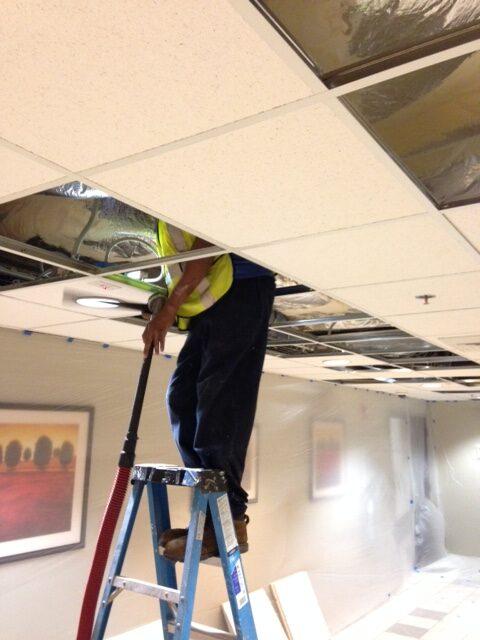
Duct encapsulation is one of those services that often gets overlooked until something goes wrong, but getting it done before the heating season begins is actually one of the smarter moves a homeowner or building manager can make. With cooler temperatures on the way this October across Mississippi, Alabama, and Louisiana, now is a natural moment to ask whether your ductwork is ready to handle the increased demand that comes with running heat consistently for the first time in months.
What Duct Encapsulation Actually Does
To put it plainly, duct encapsulation is the process of applying a specialized sealant to the interior surfaces of your ductwork. The goal is to seal off any micro-cracks, porous material, or compromised surfaces that can harbor mold, bacteria, dust, and other contaminants. It locks those surfaces down so that conditioned air moving through your system stays clean rather than picking up whatever has been sitting in your ducts since last winter.
We use Foster’s Sealer for this work, a product that has earned a strong reputation across the industry for its durability and effectiveness. Paired with our EPA-approved anti-microbial encapsulates, the result is a duct system that is not just cleaner but genuinely more resistant to future contamination. This is a meaningful distinction. A lot of cleaning approaches move contaminants around rather than removing them at the source. Encapsulation, when done correctly after a thorough source-removal cleaning, puts a proper finish on the job.
Why Fall Is the Right Time to Do This
Timing matters here, and October is honestly one of the better windows we see all year. Here is why. When your system has been sitting through a long Gulf Coast summer running air conditioning almost nonstop, the ductwork has been exposed to humidity, condensation fluctuations, and accumulated particulate matter for months. By the time fall arrives, those ducts can be carrying a significant load of debris and biological growth.
Then, almost overnight, you flip the system from cooling to heating. That transition pushes a whole new air flow pattern through your ducts and circulates whatever has built up directly into your living or working space. For families in areas like Covington and Mandeville, Louisiana, or coastal communities like Bay St. Louis and Ocean Springs in Mississippi, where the air tends to stay humid well into the fall, mold and microbial growth inside ductwork are genuine concerns, not hypothetical ones.
Getting encapsulation completed before that first heating cycle runs gives the sealant time to cure properly and means your system starts the season with clean, sealed surfaces rather than compromised ones. It is a far better approach than addressing the problem after months of circulating whatever was already in there.
Who Benefits Most
Practically speaking, duct encapsulation is most valuable in a few situations. Older duct systems with fiberglass lining that has degraded over time are strong candidates. So are systems that have had any moisture intrusion, visible mold remediation, or a history of musty odors. Commercial properties, particularly multi-unit buildings and facilities with larger air handler systems, also see significant benefit because their duct runs are longer and more complex, meaning contamination can spread further if left unaddressed.
Our team includes a Certified Indoor Environmentalist and a Certified Mold Remediator, and with more than 20 years of experience working on residential and commercial HVAC systems across the region, we have seen the full range of what can accumulate inside a duct system over time. We serve clients throughout Hattiesburg, Jackson, Gulfport, Biloxi, New Orleans, Slidell, Mobile, and surrounding areas, including communities like Daphne, Alabama, where we work on both residential homes and larger commercial accounts.
Encapsulation vs. Cleaning Alone
This is worth addressing directly. A standard duct cleaning removes contaminants, and that work is absolutely necessary. But if the interior duct surfaces have been compromised, cleaning alone leaves those surfaces exposed and susceptible to recontamination over time. Encapsulation adds a protective layer that maintains the cleanliness of the duct interior far longer. Think of it as the difference between scrubbing a surface and then sealing it versus just scrubbing it.
When we combine a thorough push-pull cleaning with encapsulation and our EPA-registered disinfectants, we are addressing the problem comprehensively rather than partially. That approach holds up much better through a full heating and cooling cycle.
If you are heading into October wondering whether your ductwork is in good shape for the season ahead, we are happy to talk it through with you. Give us a call or drop us an email and we can help you figure out whether encapsulation makes sense for your specific system.